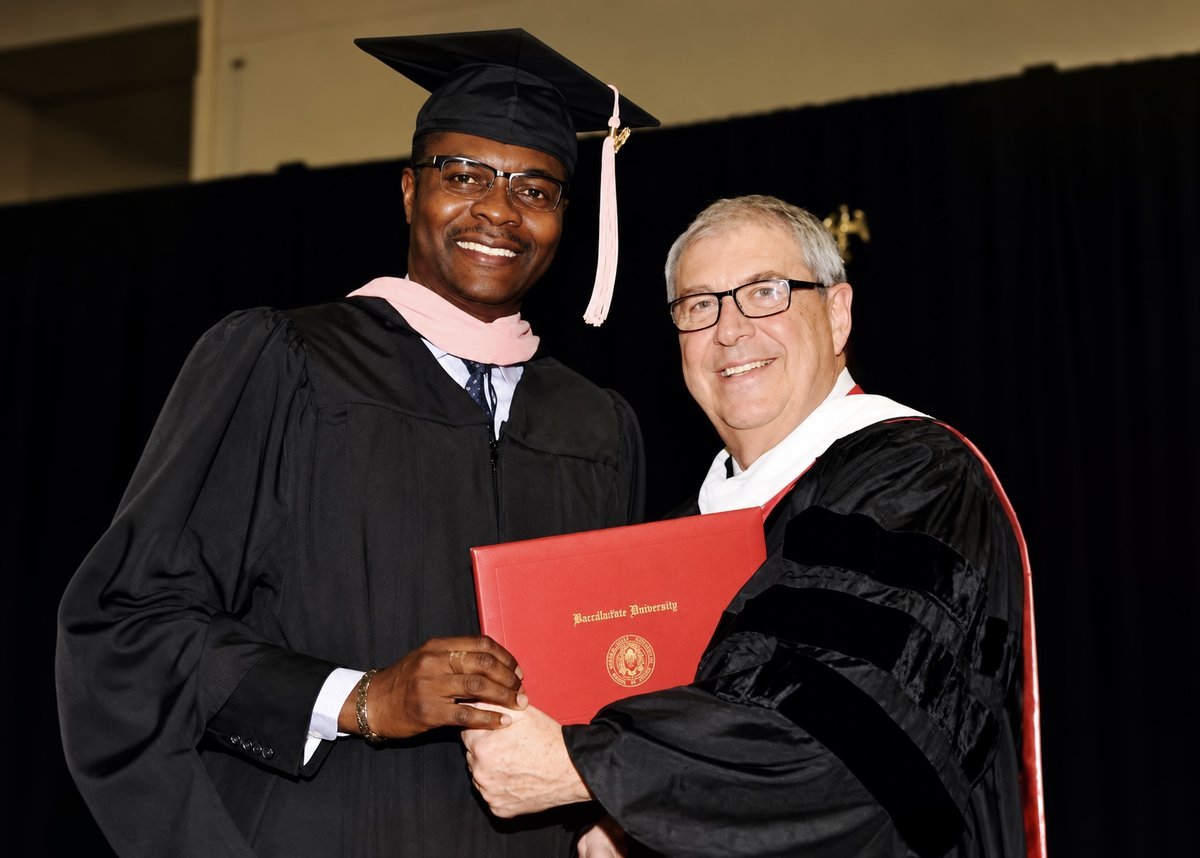
2019
Master of Public Health
Training in epidemiology and biostatistics, and the start of my move from individual patients to whole populations.
I spent almost eight years as a doctor in Benin, first in an emergency department and then in an operating room. Then I moved to the U.S., earned an MPH, and started working with the data behind patient care: COVID-19 cases, vaccination records, HIV surveillance. Those clinical years still shape how I read the numbers.
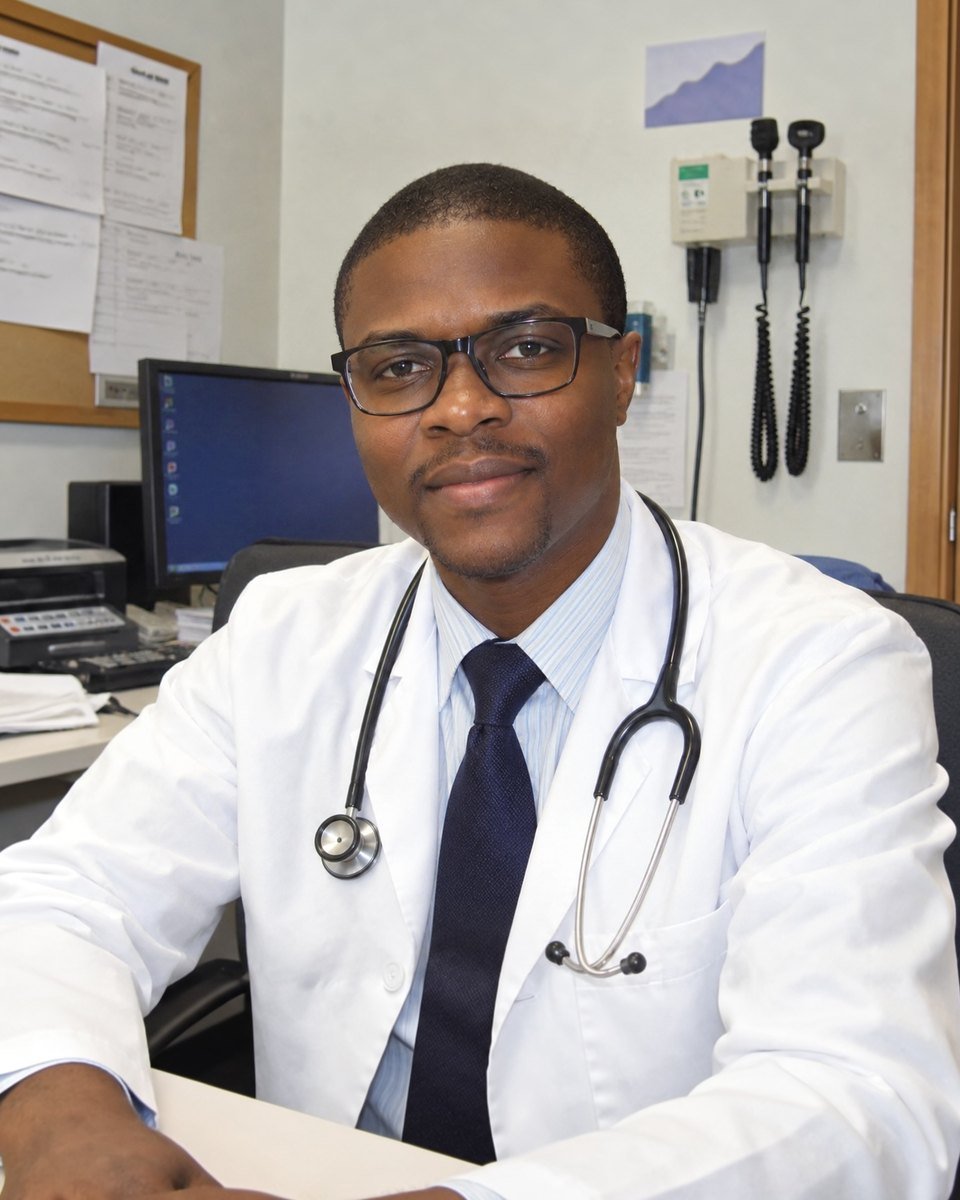
My career began in the emergency department of Saint Jean de Dieu Hospital in Tanguiéta, a busy hospital in northern Benin that serves a large rural area. The department never closed, and many patients arrived already in critical condition.
For more than five years I was often the first doctor they saw. Many decisions couldn't wait, so I made them, then sat down with frightened families to explain what was happening.
That work taught me to stay calm in a crowded room and to be honest with people on the worst day of their lives. I still rely on both.
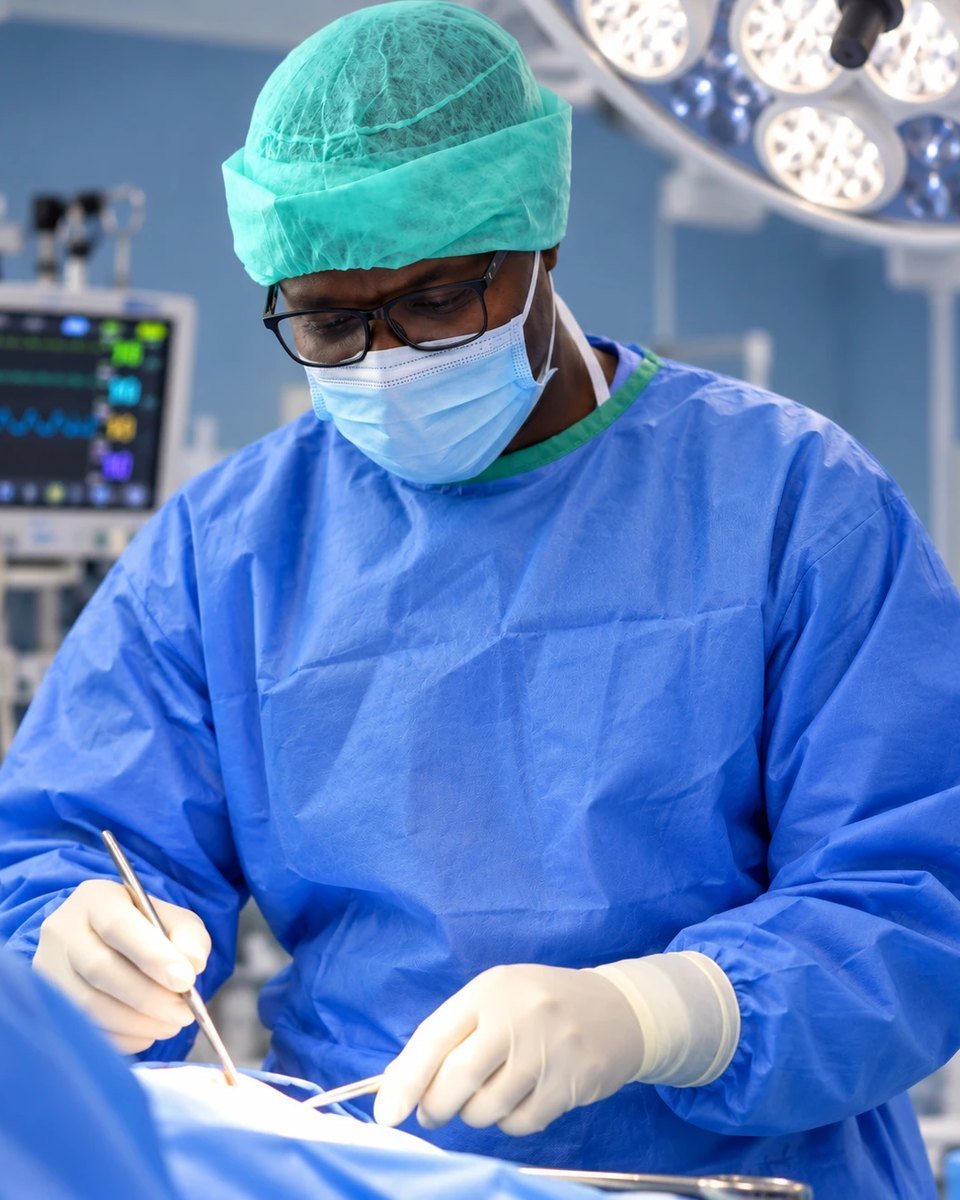
After my general surgery residency at the Université d'Abomey-Calavi, I became a general surgeon at Bassila Hospital, a district hospital in Benin's Donga department that serves rural communities with limited access to care.
I performed more than 2,000 procedures a year with limited resources. At that pace there's little room for error, so I prepared carefully and learned to adjust fast when an operation didn't go to plan.
Every patient on that table had a family waiting outside the door, and I never stopped being aware of it.
Degrees and certifications I earned after moving into public health.
Training in epidemiology and biostatistics, and the start of my move from individual patients to whole populations.

Coursework in management, finance, and strategy, so I could talk budgets as comfortably as data.

PMI's project management certification. It gave me a formal method for planning, scheduling, and tracking public health projects.